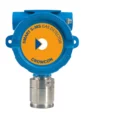
Hiring can be a practical option for short-term tasks such as shutdowns, planned maintenance, investigations, or projects where you need additional instruments on site without committing to permanent equipment. It also gives flexibility if your monitoring needs change across different areas, ventilation conditions, or work phases.
When Is Bromine Gas Monitoring Required?
Monitoring is typically required wherever bromine may be released to air and people could be exposed, particularly in areas where vapour may accumulate (low-lying spaces), during handling and transfer, and when plant is opened for maintenance or inspection. Bromine has recognised occupational exposure limits (including an 8-hour TWA of 0.1 ppm and a 15-minute STEL of 0.3 ppm referenced by US and EU/UK contexts in the source material), and it can cause severe respiratory irritation and chemical burns, so instrumented monitoring should be used rather than relying on odour. It is also important to consider that skin contact contributes to overall exposure even when air readings appear controlled.
Typical Bromine Monitoring Applications
- Water treatment sites using bromine for disinfection in pools, spas, cooling towers and industrial water systems
- Chemical manufacturing where bromine is used as a reagent or catalyst (including dyes and specialty chemicals)
- Pharmaceutical manufacture where bromine derivatives are used as intermediates
- Oil and gas operations using bromine compounds in clear brine fluids for drilling and well completion
- Storage and transfer areas, including drum/tote handling and connection or disconnection of lines
- Maintenance work where equipment is opened and residual bromine may volatilise
- Emergency response and incident investigation following a suspected release
Which Bromine Monitor Should I Hire?
Portable electrochemical detection for personal and task-based checks
Electrochemical sensors are the main technology used for bromine detection and are suited to routine workplace monitoring and portable use. They can be sensitive at low ppm levels, but are vulnerable to cross-sensitivity from other oxidising gases (such as ozone and nitrogen dioxide), baseline drift and humidity effects, and bromine’s corrosive nature can shorten sensor life.
Calibration needs careful attention because bromine calibration standards are not commercially available. Industry practice uses surrogate chlorine standards, but the relationship can vary by sensor and conditions, so bump testing and validation are important, especially if you are hiring a br2 monitor hire solution for critical decisions.
Fixed or area monitoring for continuous coverage
Where bromine is stored or used regularly, fixed systems provide continuous monitoring with alarms and the ability to integrate responses such as ventilation activation or shutdown procedures. This approach can be valuable in higher-consequence areas, but it still relies on electrochemical sensing practices and needs ongoing maintenance to manage corrosion and calibration uncertainty.
Detector tubes for spot checks and rapid screening
Colorimetric detector tubes can be useful for quick, manual spot checks and to support emergency response, but they do not provide continuous monitoring and are typically less accurate than electronic instruments. They can complement, rather than replace, continuous detection where exposure control depends on real-time alarming.
If you are unsure whether a portable, area, or fixed approach is best for your work, contact our team with your process, location and likely interference gases and we will help you choose a practical monitoring setup.