Even relatively small releases can form explosive atmospheres if vapour accumulates in confined or poorly ventilated areas. Because butane vapour is heavier than air, it tends to settle in low-lying spaces such as pits, trenches, or enclosed plant areas.
Although butane has a distinct smell, smell alone should never be relied upon to identify a leak. Low concentrations may not be obvious, and “odour fade” can occur in some storage or distribution systems.
Hiring monitoring equipment is often the most practical option when detection is needed for a defined period, such as maintenance work, plant shutdowns, inspections, or investigations. It also allows teams to scale monitoring quickly when site risks change or additional equipment is required.
When Should I Monitor For Butane Gas?
Gas monitoring is usually required wherever butane could be released or accumulate in the work environment. Because butane vapour is heavier than air, ventilation patterns and detector placement can affect how quickly gas is identified in low-lying or confined areas. This is particularly relevant in confined spaces or enclosed areas where vapour may collect unnoticed.
Monitoring C₄H₁₀ is also expected where work activities could introduce ignition sources, including hot work, or where LPG systems are being installed, maintained, or inspected.
Environments that need butane monitoring
Common situations where butane monitoring may be required include:
- Confined space checks where LPG vapours may accumulate in low points
- Leak investigations around LPG storage, blending, and distribution systems
- Maintenance work on refrigeration and air conditioning plant using hydrocarbon refrigerants (R600 or R600a)
- Petrochemical operations where butane is used as a feedstock, such as isomerisation or butadiene production
- Industrial solvent or extraction processes involving hydrocarbon gases
- Catering equipment or portable fuel appliances used indoors or in poorly ventilated spaces
- Laboratory or research environments where butane is used as a fuel or calibration gas
Atmospheric testing before entry is considered good practice in these environments. Continuous C₄H₁₀ monitoring during work may also be appropriate, as conditions can change quickly once work begins.
Which Butane Monitor Should I Hire?
Monitoring butane is typically focused on controlling flammable atmospheres, so environmental conditions, sensor type, and calibration all influence the reliability of field readings.
Ribble Enviro maintains a well-calibrated, reliable fleet of butane detector hire units and provides practical guidance to help organisations manage flammable gas risks in everyday operations.
Combustible (LEL) monitors for routine safety checks
For most workplace monitoring tasks, a combustible gas detector measuring the percentage of the Lower Explosive Limit (LEL) provides a practical starting point.
Catalytic bead sensors are commonly used because they respond to a wide range of combustible gases. This makes them suitable for general flammability control, although readings will not be specific to butane if other hydrocarbons are present.
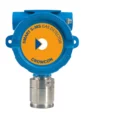
Single-gas instruments such as the Crowcon Gasman are often used for straightforward personal monitoring. In environments where additional atmospheric checks are needed, multi-gas monitors such as the MSA ALTAIR 5X allow users to confirm oxygen levels alongside combustible gas conditions.
Infrared (IR) sensing for challenging atmospheres
Infrared combustible sensors can be useful in environments where oxygen levels may not be normal. Unlike catalytic sensors, they do not rely on oxygen to operate and are less vulnerable to sensor poisoning.
Where appropriate, instruments such as the Crowcon Gas-Pro IR can provide reliable monitoring in confined or variable atmospheres. Regardless of the monitor selected, bump testing and calibration remain essential to confirm the instrument responds correctly before it is used on site.
If you would like advice on selecting the right butane detector hire or butane monitor hire, speak with the Ribble Enviro team. We can help you choose suitable equipment based on your work area, ventilation conditions, and any other gases that may be present.